SIU is a non-profit project, started by a highly acknowledged gynaecologists and sexologists in Denmark. In cooperation with other leading specialists in the field, he wants to bring attention to the fact that 1.000’s of women are dealing with permanent abdominal pain, and might have to consider alternative treatment. These women are feeling alone and frustrated, and our job within this project is to help them.
We were asked to figure out how to build this platform, in a way that made sure the traffic would be organic (with no budget to buy stimulated traffic). And of course (main issue of the project) makes these women believe that they CAN be painless, and present them with alternatives that might sound overwhelming, without being just that.
As it is today, you would go to see your practitioner when in abdominal pain. Your practitioner will then most likely send you to a gynaecologist. Unfortunately, if that doesn’t help you, you very easily get stuck in a loop between your practitioner and your gynaecologist, without any signs of treatment that actually helps.
This has a sincerely deep impact on all of those women’s life quality. It very quickly becomes a vicious circle, as the more concerned the woman gets about the problem, the worse it actually gets.
The key to this project, is to find a way of speaking to all of these women. Educating them of why, what they are doing now doesn’t help, ensuring them that they are not alone, and preparing them on how to ask their practitioner for an alternative solution. Trust will be crucial in order to make that happen.
From the client's knowledge (talking to patients on a daily basis) we knew that the target audience are females between 20-45 years, dealing with abdominal pain for more than 3 months.
We made a thorough SEO analysis, to figure out which terms these women were actually searching for on Google, and just as important, how much potential traffic we should expect. All of us being quite impressed with the volume on search terms, we realized that the audience with those problems were way bigger than first anticipated. Great news, even more of a reason to do good at this project!
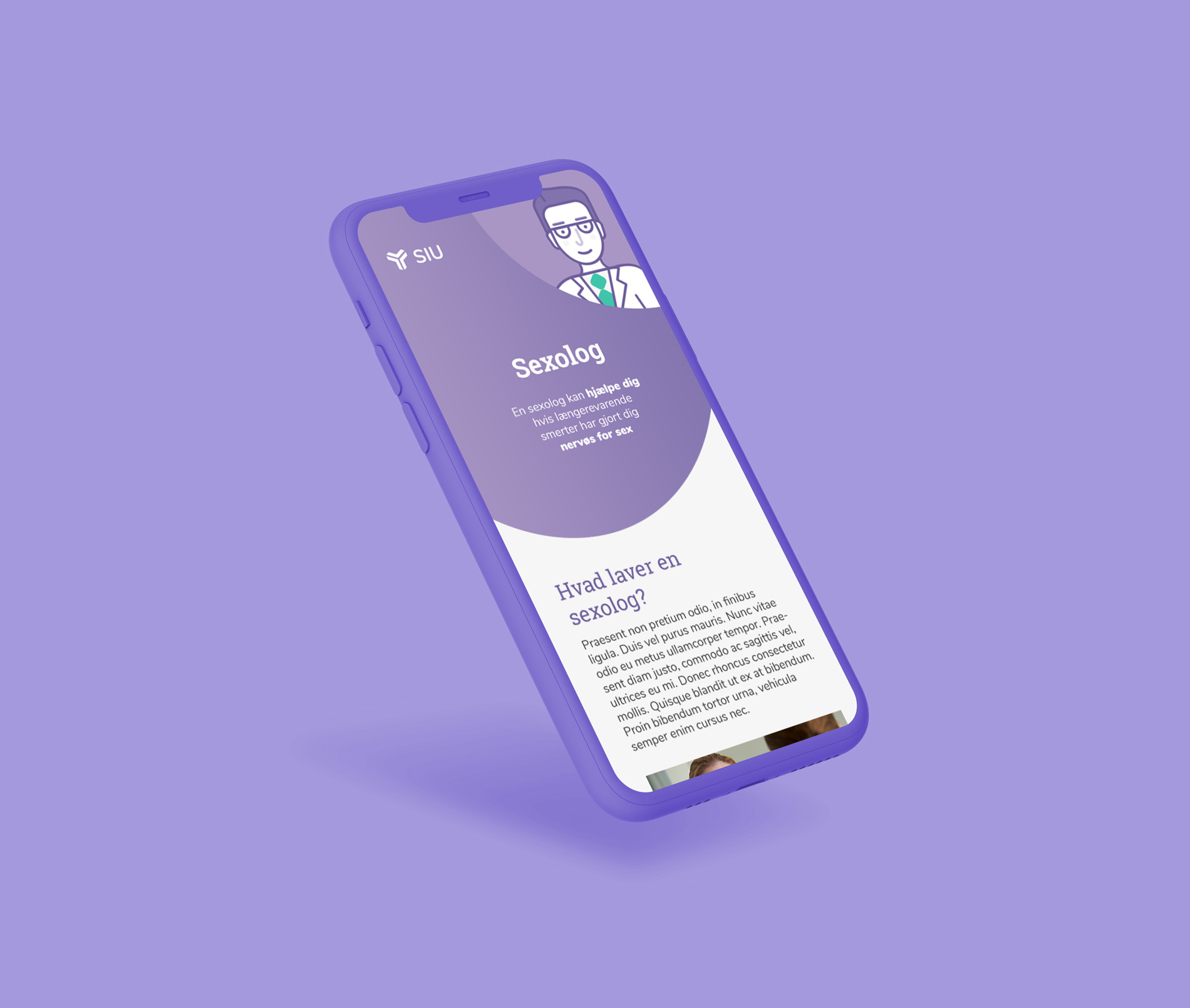
Based on the SEO analysis, we decided to build a ton of seo friendly pages, covered as “symptoms” in order to be able to catch as many Google searches as possible. The tricky part here was the fact that the users did not know that these alternatives exist, so they search on more generic terms. We filtered out the search terms with no indications of this being a long-term problem.
Based on our user interviews and the client's brief, we decided to explore the following features:
“I don’t think there is anything to do about my pains. Otherwise I guess the doctors would have figured out”
How might we broaden users' horizon regarding alternative, yet relevant treatments, without them having to know what is causing their pain?
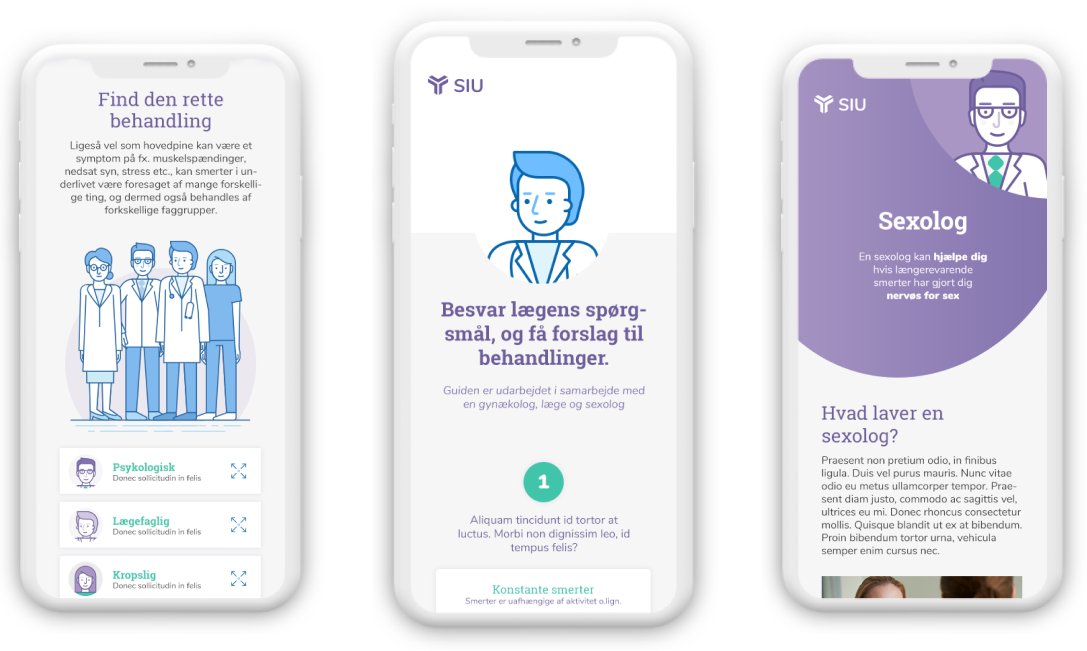
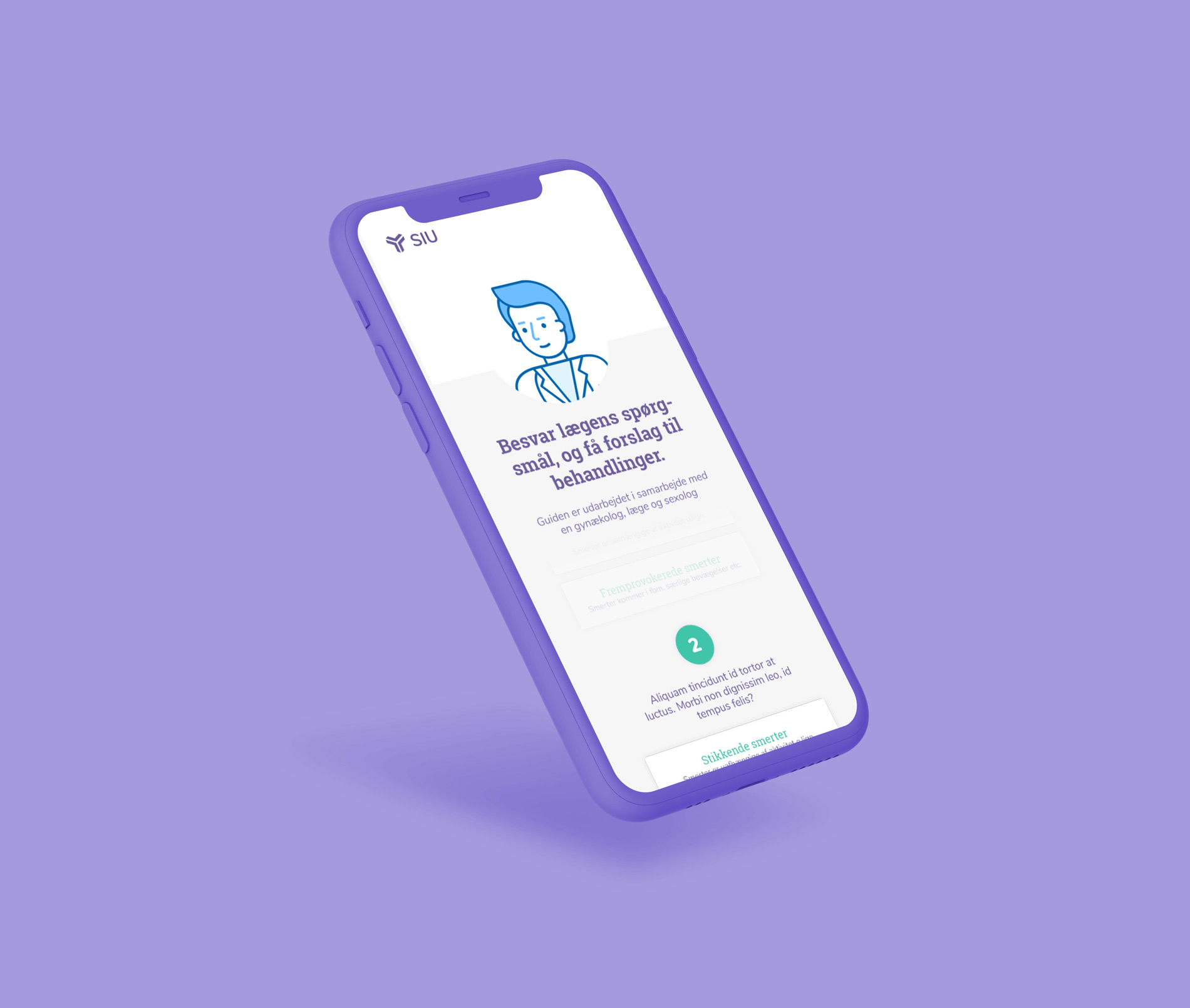
Create a simple guide (make it clear the guide is developed by professionals), to motivate users to look into specific and relevant types of treatment.
“I am sure I am doing something wrong. It is not normal to have permanent abdominal pain”.
How might we make it clear to the user, that she is NOT alone with this, and should not feel responsible in any way.
Collect data and statistics about the subject, and use it in copy across the platform.
“I don’t feel like I can second guess my doctor's opinion. I don’t really know anything about the subject even though I am a woman”.
How might we make the users more confident about taking their situation in their own hands?
Interview users about their most common questions, and create articles written by professionals, answering or educating on those.
“I am frustrated about my permanent abdominal pain, I will search on Google just to see what might come up”.
How might we make content that seems relevant to the user, but actually is based upon symptoms and not the solutions.
Create a big content plan handling as many relevant search terms as possible, and create pages on the platform about the symptoms and misunderstandings.
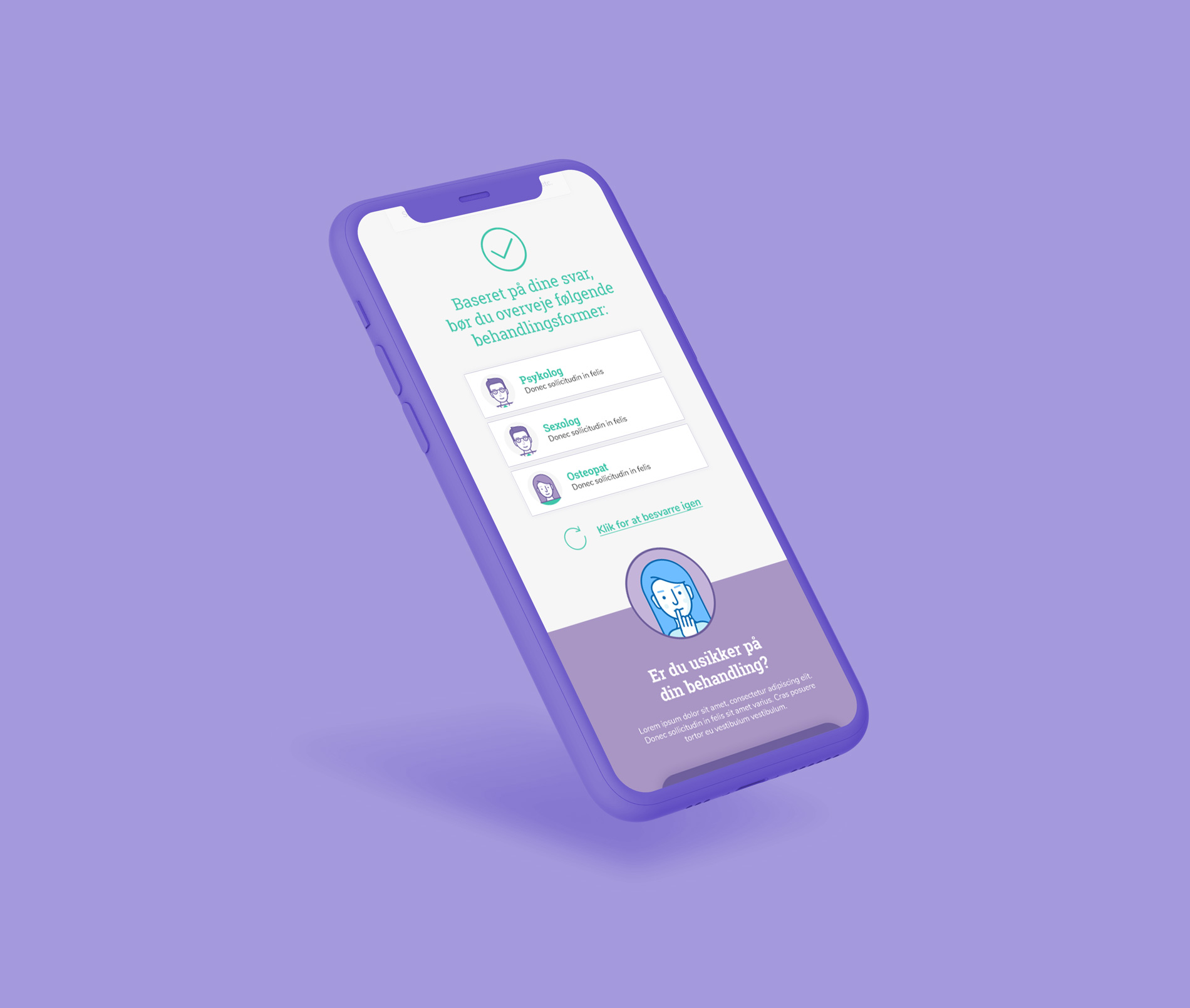
Specialists were asked to develop a simple guide (final guide should have approx. 6 steps based on the answers) from which the user gets the (maybe overwhelming) amount of treatments narrowed down, by only suggesting the ones making sense from the answers given.


When shaping the overall visual language of the platform, we mainly had two things in mind.
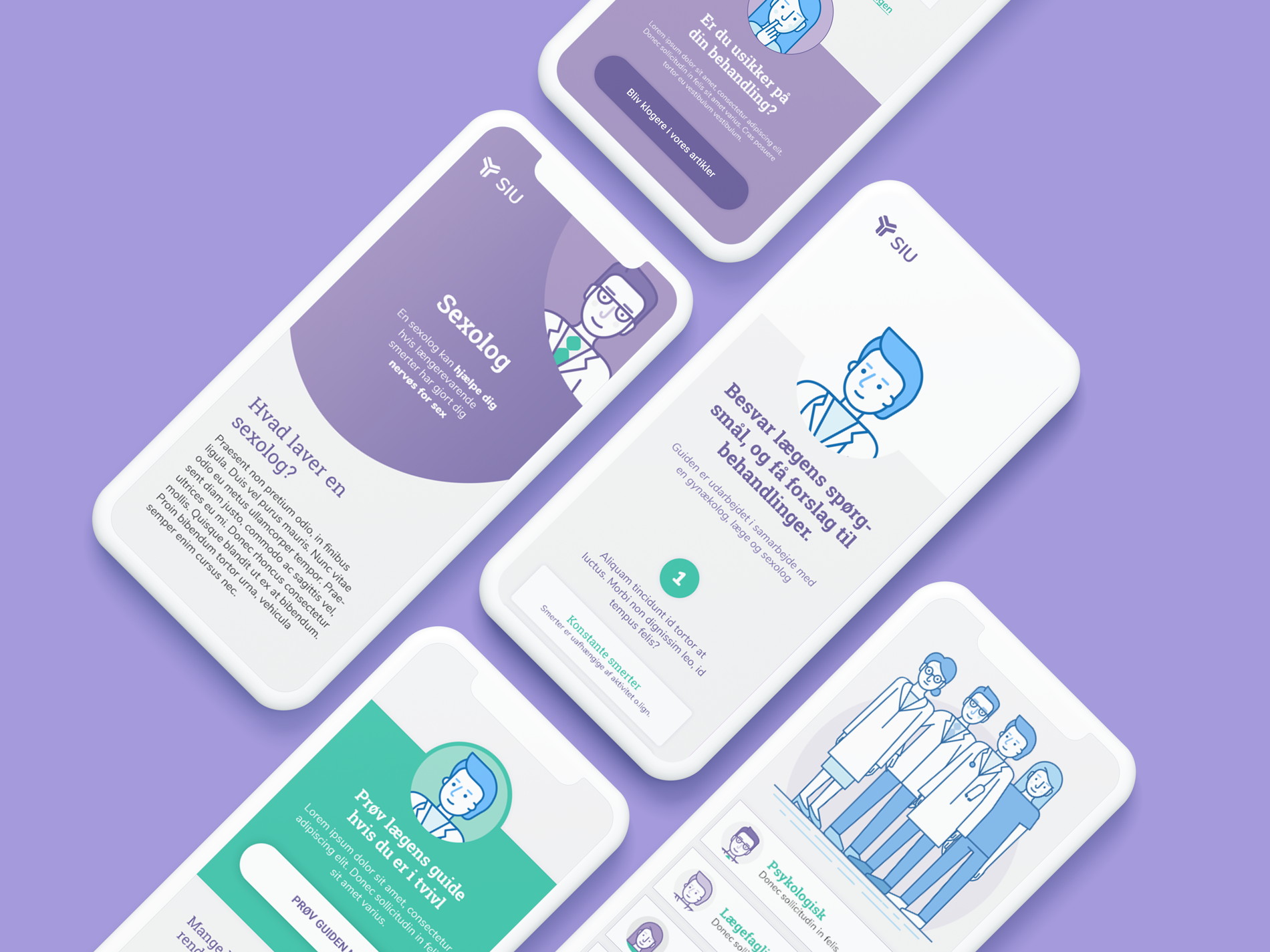
1: I wanted to use illustrations instead of photos, because it would have to be stock photos (there is no specific clinic or specialist representing the platform). That would not be optimal when we need to gain trust.
2: This is a platform targeting women only, so I drew upon the colors and shapes women already are familiar with from apps in the same category such as period tracking apps, mindfulness etc.
3: Because the emotional impact of the style is so important on this project, we ran a "5 second test" on 50 women from the target audience, and adjusted accordingly to their comments.

This being my first non-profit project, without financial support from any organisations, I had to adjust my "normal" mindset. I find that projects often grow through the process, as new findings and discoveries appear. In commercial projects, you can argue on new ideas and features, based on calculated ROI. This makes the projects more dynamic and iterative.
In this project, the budget was fixed and with no future of generating a profit. This making us have to be creative with more strict limitations, was a new and educational experience.
Another funny takeaway from this project was the fact that this is one of the few times that I have been working on a visual style, that I really don't care for myself. I always find that both funny and challenging :)

Reimbursements are designed for companies that want to efficiently cover their employees’ charging costs when they charge at home.
Forecast helps you manage your tasks, projects, resources and finances in one easy-to-use platform.

Leading website & employer branding.

Illustrations and concept.